Bee facts
Bee anatomy
Start with the basics: a worker honey bee, outside and in. Find each numbered part on the plate, then read about it in the list below. Each statement links to its source.
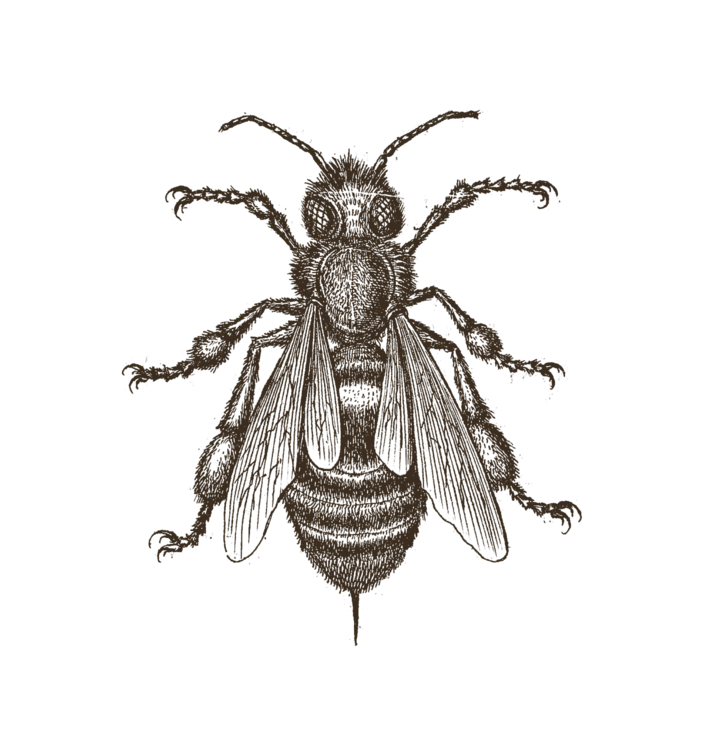
The queen
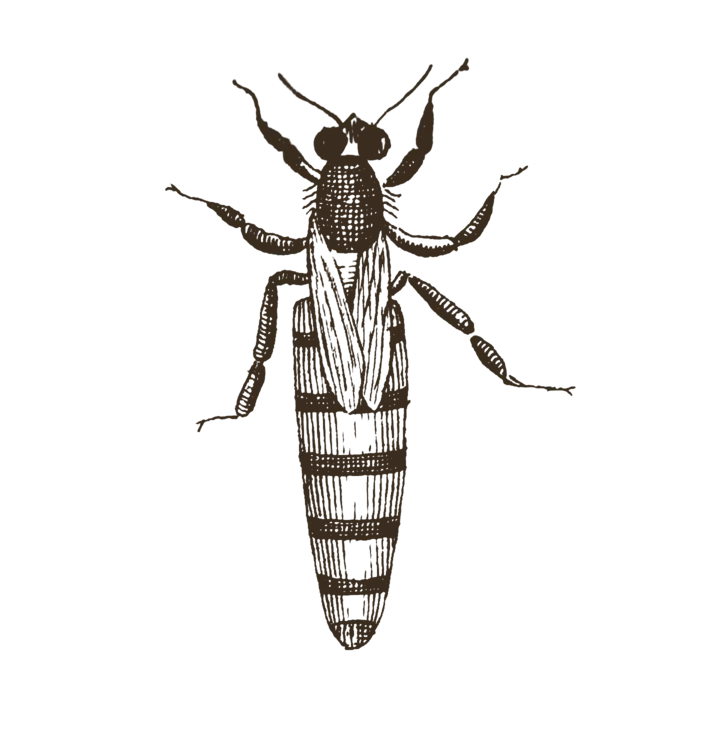
In a normal colony the queen is the only bee that lays eggs. She can lay up to 1,500 a day. Source 4Source 16
- a
- b
Wings
Her wings reach only half-way along her abdomen. Source 16
- c
- d
Close up, and inside
Studies A to G show the mouth, the hairs, and the parts inside the body. The numbers match the plate and the list below.
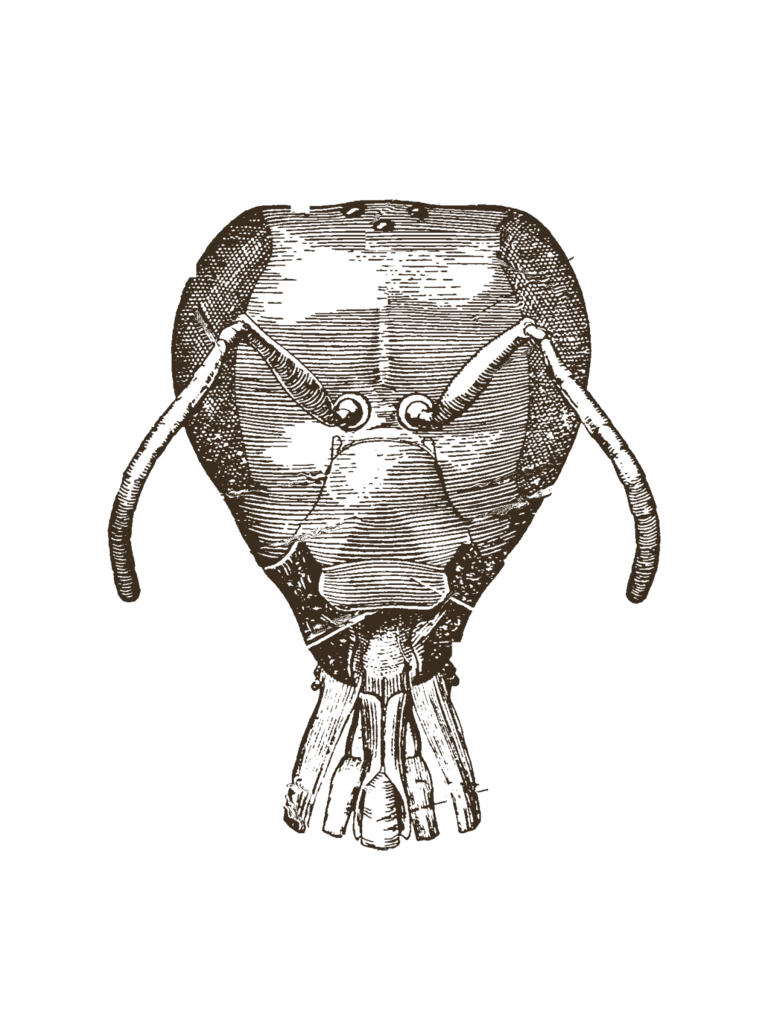
AHead, from the frontThe plate cuts the mouth parts short. Snodgrass, 1910, fig. 9A. 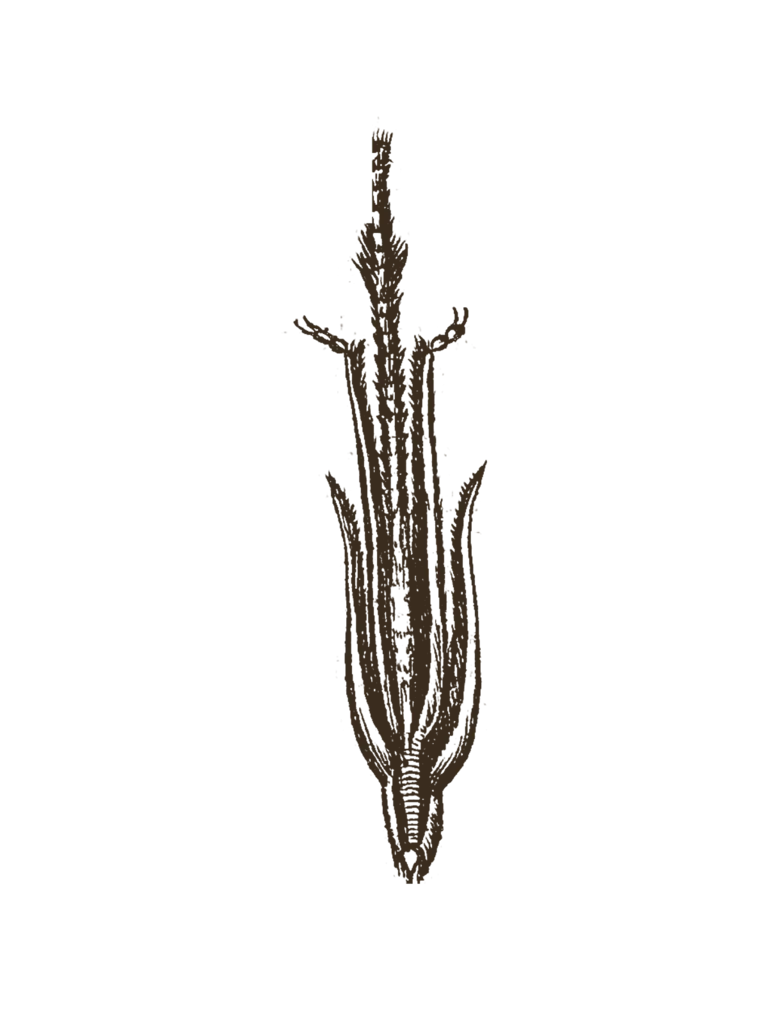
BTongueStelluti shows the tongue with its four small tongues. Stelluti, 1630, fig. 9. 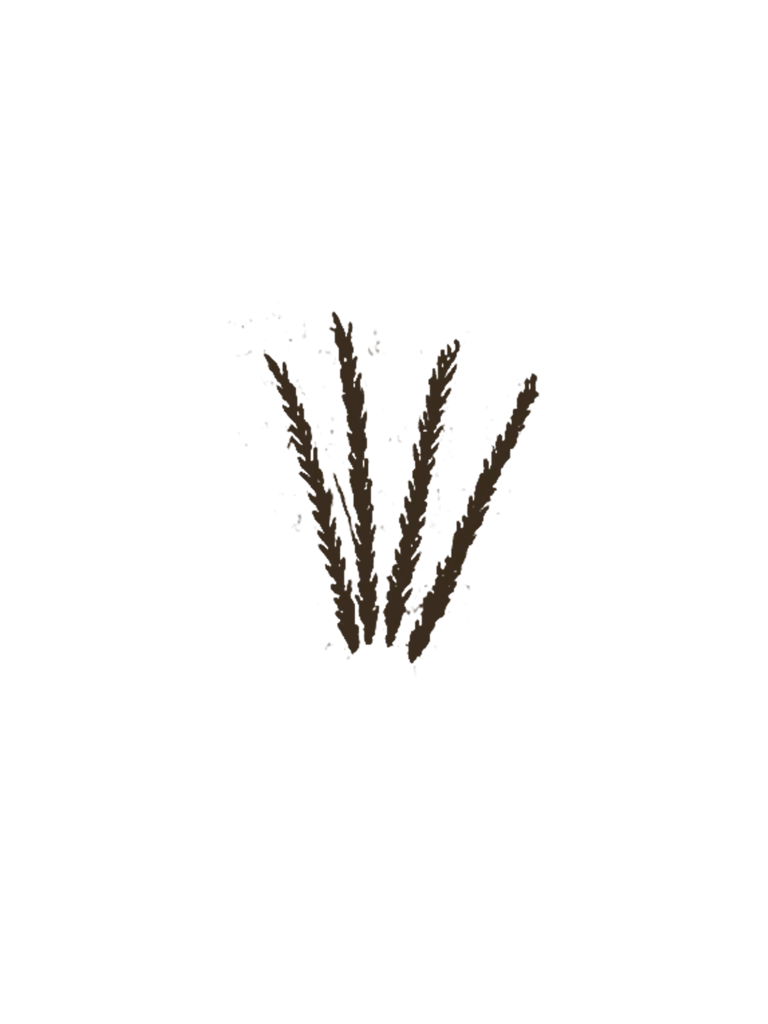
CBranched hairsStelluti called them the feathers of the bee. Stelluti, 1630, fig. 5. 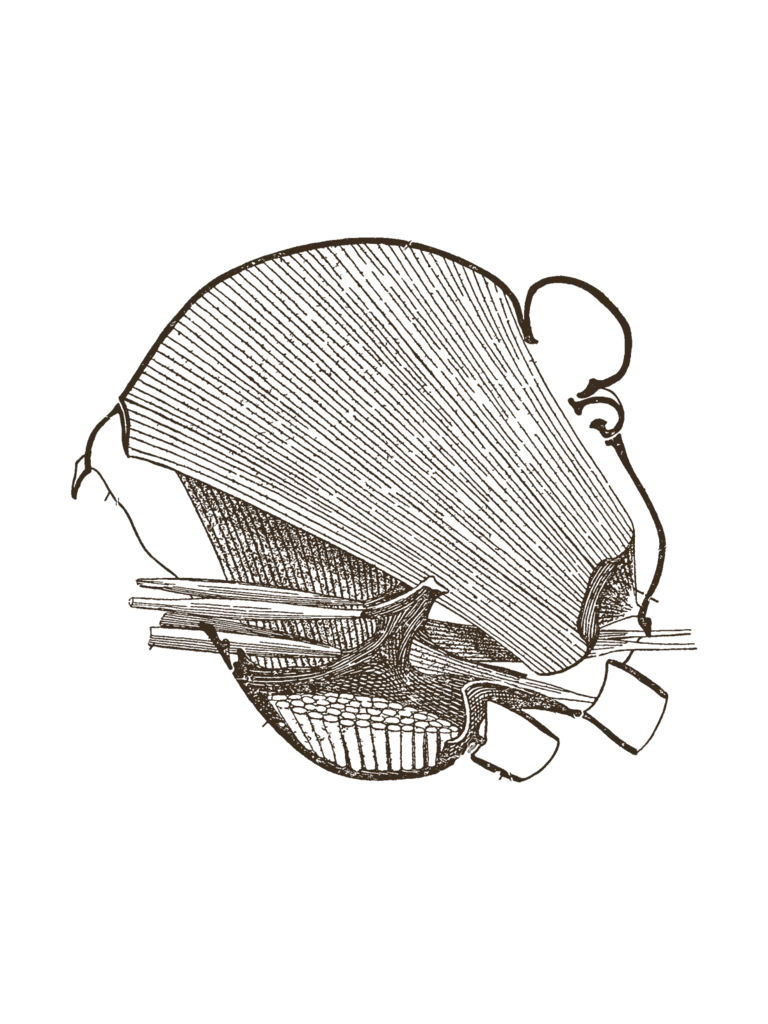
DFlight musclesThe thorax of a drone, cut in half. Snodgrass, 1910, fig. 27. 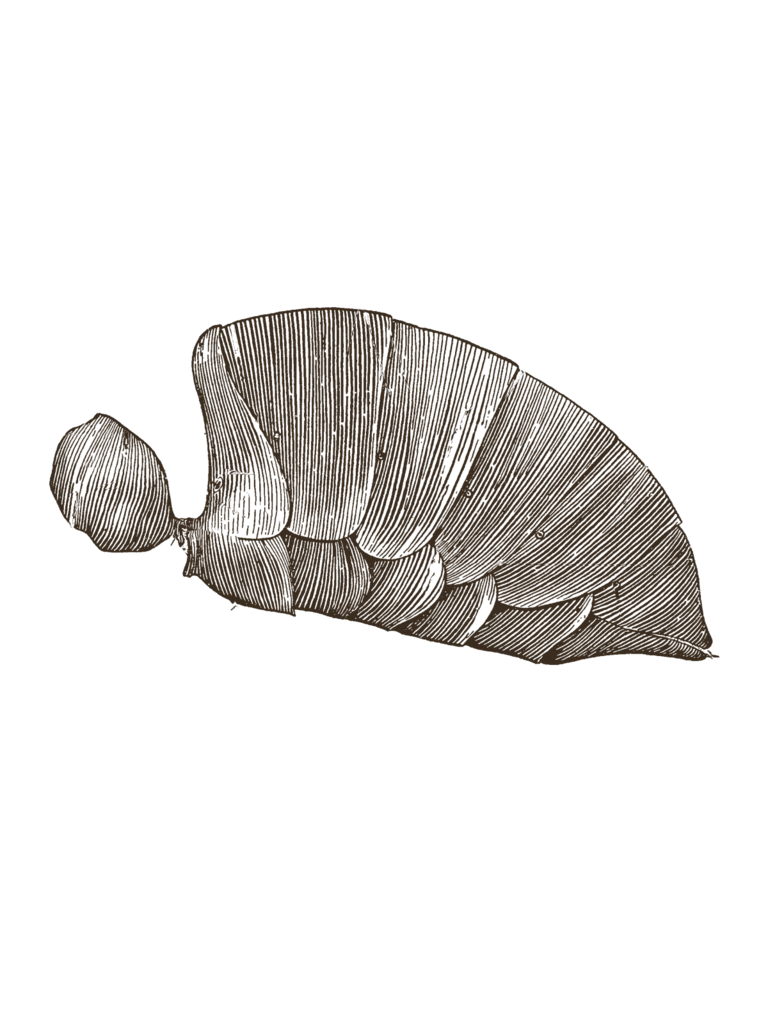
ESpiraclesThe side of the abdomen of a worker. The small circles are spiracles. Snodgrass, 1910, fig. 32. 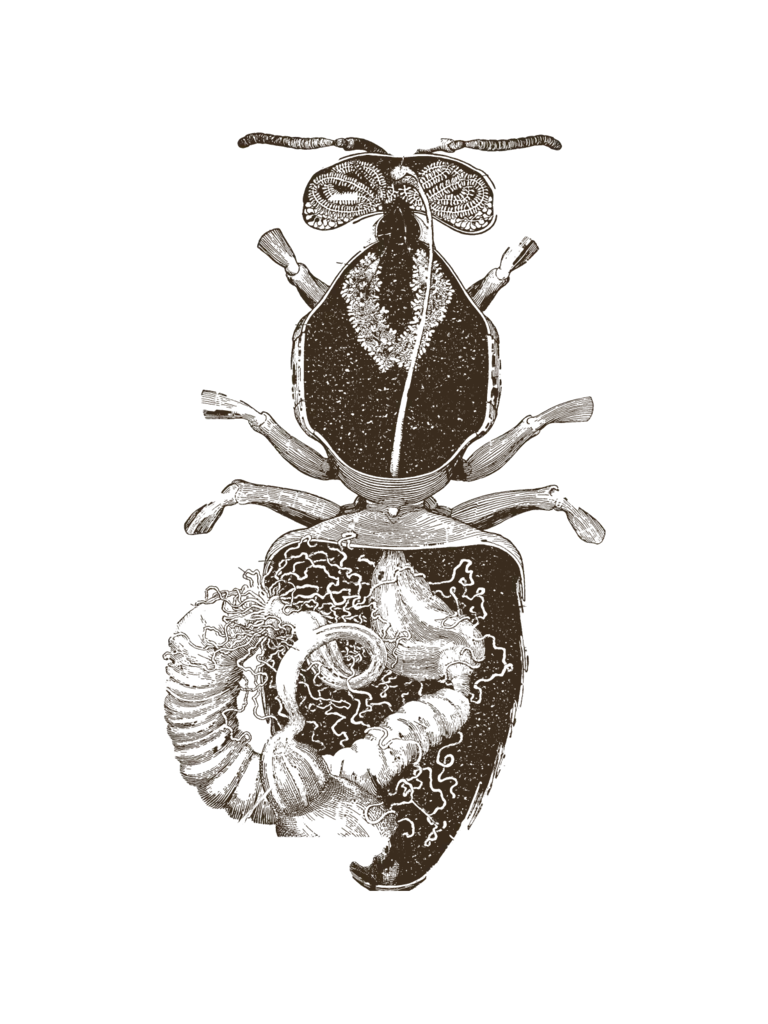
FGutThe gut of a worker, seen from above. Snodgrass, 1910, fig. 42. 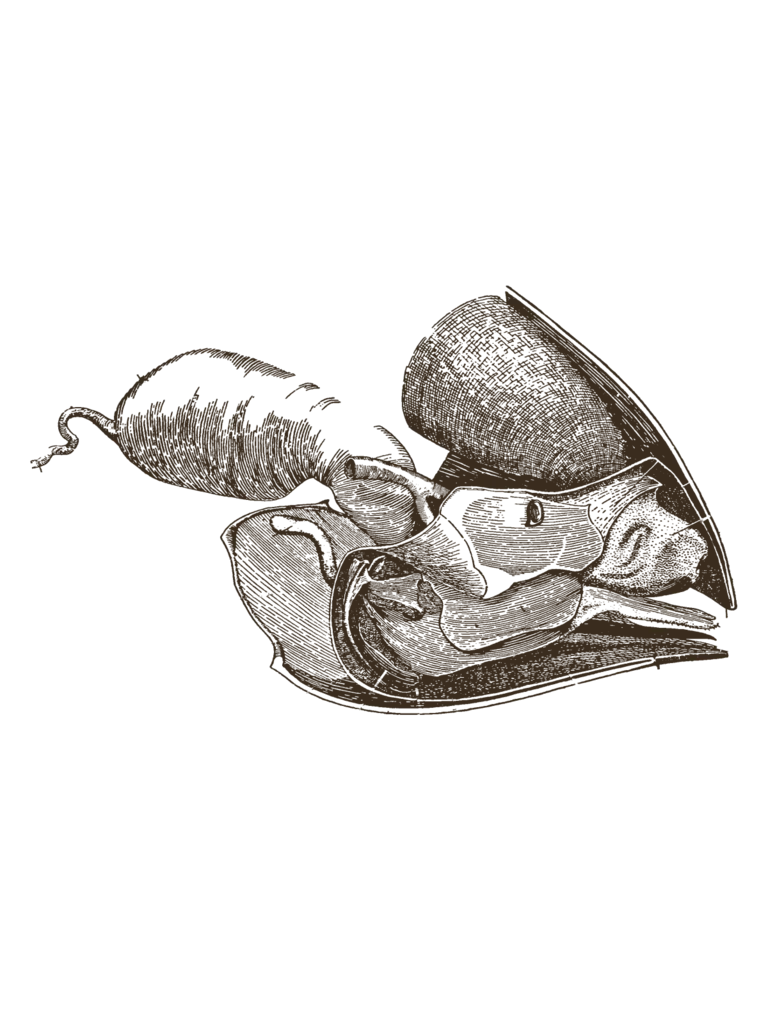
GSting and venom sacThe tip of the abdomen of a worker, with the left side removed. Snodgrass, 1910, fig. 41.
The parts of the plate
Head
The head holds the eyes, the antennae, and the mouthparts. Source 1
- 1
- 2
- 3
- 4
- 5
Thorax
The middle of the body. All six legs and all four wings attach to it. Source 1
- 6
Forewing
The large front wing. When a bee hovers, its wings beat about 230 times each second. Source 10
- 7
Hindwing
The small rear wing. A row of about 20 tiny hooks on its front edge holds it to the forewing, so the two wings move as one. Source 11
- 8
- 9
- 10
Middle leg
Moves pollen from the body to the hind legs, and pats each pollen load into place. Source 13
- 11
- 12
Flight musclesStudy D
They fill almost all of the thorax, but they do not pull on the wings. Two sets of muscles take turns to change the shape of the thorax, and this moves the wings up and down. Source 2
Abdomen
The rear of the body. It holds most of the gut, the venom sac, and the stinger. A narrow waist joins it to the thorax. Source 2Source 3
- 13
- 14
- 15
- 16
- 17
- 18
Sources
- Ask A Biologist, Arizona State University (2017). Honey bee anatomy (opens in a new tab). Arizona State University School of Life Sciences.
- R. E. Snodgrass (1910). The anatomy of the honey bee (opens in a new tab). US Department of Agriculture, Bureau of Entomology, Technical Series 18.
- N. L. Carreck and others (2013). Standard methods for Apis mellifera anatomy and dissection (opens in a new tab). Journal of Apicultural Research 52(4).
- A. N. Mortensen, D. R. Schmehl, and J. D. Ellis (no date). European honey bee, Apis mellifera Linnaeus and subspecies (opens in a new tab). University of Florida IFAS Extension, EENY568.
- M. Streinzer and others (2013). Sex and caste-specific variation in compound eye morphology of five honeybee species (opens in a new tab). PLOS ONE 8(2): e57702.
- North Carolina State University (no date). Color vision (opens in a new tab). ENT 425 General Entomology.
- Y.-S. Hung and M. R. Ibbotson (2014). Ocellar structure and neural innervation in the honeybee (opens in a new tab). Frontiers in Neuroanatomy 8: 6.
- G. Kastberger (1990). The ocelli control the flight course in honeybees (opens in a new tab). Physiological Entomology 15(3).
- S. Tsujiuchi and others (2007). Dynamic range compression in the honey bee auditory system toward waggle dance sounds (opens in a new tab). PLOS ONE 2(2): e234.
- D. L. Altshuler and others (2005). Short-amplitude high-frequency wing strokes determine the aerodynamics of honeybee flight (opens in a new tab). Proceedings of the National Academy of Sciences 102(50).
- S. H. Eraghi and others (2021). Wing coupling in bees and wasps: from the underlying science to bioinspired engineering (opens in a new tab). Advanced Science 8: 2004383.
- K. Schönitzer and M. Renner (1984). The function of the antenna cleaner of the honeybee (Apis mellifica) (opens in a new tab). Apidologie 15(1).
- D. B. Casteel (1912). The behavior of the honey bee in pollen collecting (opens in a new tab). US Department of Agriculture, Bureau of Entomology, Bulletin 121.
- M. Simone-Finstrom and M. Spivak (2010). Propolis and bee health: the natural history and significance of resin use by honey bees (opens in a new tab). Apidologie 41(3).
- F. Drummond (2022). Honey bee cleansing flights… just cleansing? (opens in a new tab). Journal of the Kansas Entomological Society 94(2).
- T. W. Cowan (1890). The honey bee: its natural history, anatomy, and physiology (opens in a new tab). Houlston and Sons, London.
- Mid-Atlantic Apiculture Research and Extension Consortium (no date). The Colony and Its Organization (opens in a new tab). University of Delaware, with Penn State University.
Drone, worker, and queen
Drone
Worker
- A worker is a female. It is the smallest of the three kinds of bee in a colony. Source 4
- In their first few weeks as adults, workers clean the cells, feed the brood, and care for the queen. Source 17
- Later, as field bees, they forage for nectar, pollen, and water. Source 17
- In summer, a worker lives about 6 weeks. A worker reared in the fall can live up to 6 months. Source 17
- A worker uses its stinger to defend the colony. Source 4
Queen
- Her head is about the same size as that of a worker. Her thorax is slightly larger. Source 4Source 17
- Her stinger is longer than that of a worker, with fewer and shorter barbs. She does not die when she stings. Source 17Source 4
- A queen can live for several years. Her average productive life is 2 to 3 years. Source 17
Research figures describe context and data coverage. They are not a measure of Adopt The Bees impact.