Our mission
More bees. More life.
Save The Bees connects people with community hives and the habitat work that helps wild bees. Adopt The Bees is our first platform.
Why we do this
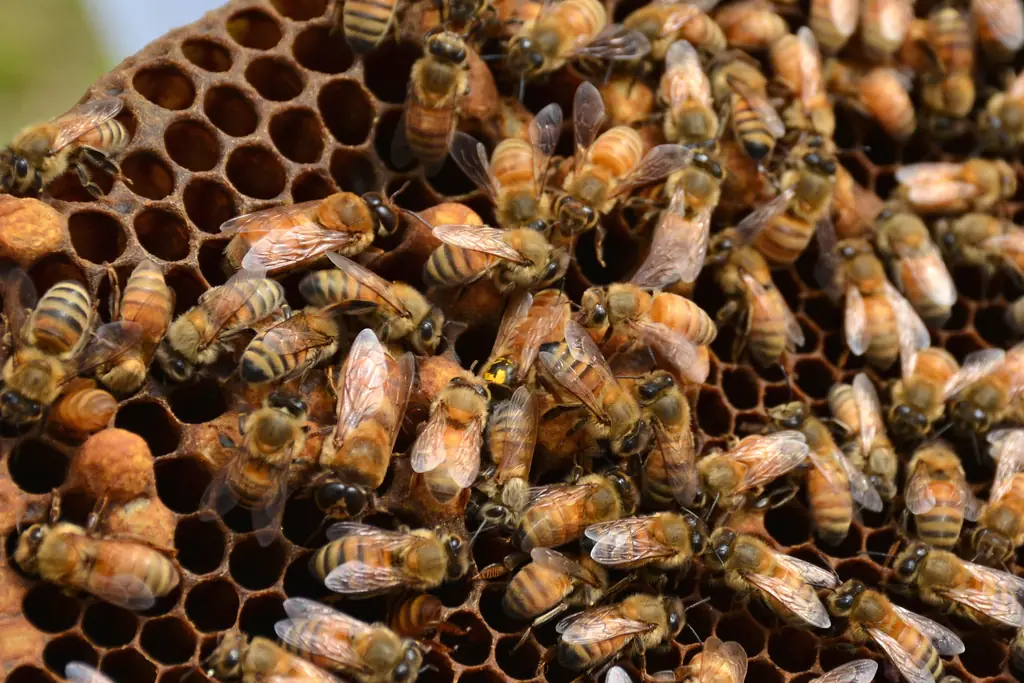
Bees help grow our food and our wild places.
Honey bees pollinate fruits, nuts, and vegetables. Animals such as bees pollinate most flowering plants.
Bees are under pressure.
Habitat loss, intensive farming, pesticides, pests and diseases, and climate change all weigh on them. The conservation page explains these pressures and names its sources.
We start where you live.
We pair community hives in your city with habitat work for wild bees. You can register interest in a hive, volunteer near you, or learn how bees live.
The people who lead the company
Greg Shved
Chief executive
Greg leads Save The Bees. He is a beekeeper and director of revenue. His record names Exchange Bees, 2022.
Justin Lo
Vice president of technology
Justin leads technology at Save The Bees. He holds a bachelor's degree in biology and a bachelor's degree in computer science.
Steven Mott
Vice president of beekeeping
Steven leads beekeeping at Save The Bees. He has more than nine years of experience with bees.
Koby Hagen
Vice president of research
Koby leads research at Save The Bees. He is a PhD candidate.
Mars Patrick
Vice president of sales
Mars leads sales at Save The Bees. He has more than five years of experience with bees.
How the model works
We track managed honey bees and native habitat work separately.
Managed honey bees
Managed honey bees are the economic engine. Partner beekeepers receive hive assignments and submit updates. We review those updates before we publish them as Hive Notes.
Native habitat work
Native habitat work is a separate project with its own activities, evidence, and outcomes. Honey-bee activity helps fund habitat, plants, nesting resources, monitoring, and education for wild bees.
Honest numbers
Species totals on this site describe data coverage, not conservation impact. Documented counts are evidence-based minimums. Low counts may mean data gaps, not few bees.
We label sample campaigns and development previews. They are not live totals or proof. Platform impact will come from published campaigns only. We do not publish an impact figure on this page.
For-profit, not a charity
We operate Save The Bees as a for-profit company. Payments are not charitable donations and are not tax deductible unless we identify a separate eligible partner.
Privacy of locations
Public updates must be suitable for adopters. Private inspections, exact locations, and customer data use separate access. The general area may be public while the exact hive location may stay private.
NVIDIA Inception Program
 (opens in a new tab)
Save The Bees is a member of the NVIDIA Inception program.
Contact
Questions about adoption, campaigns, or this site can reach us by email. Interest forms on this preview site collect no payment.
bees@savethebees.comPhoto credits
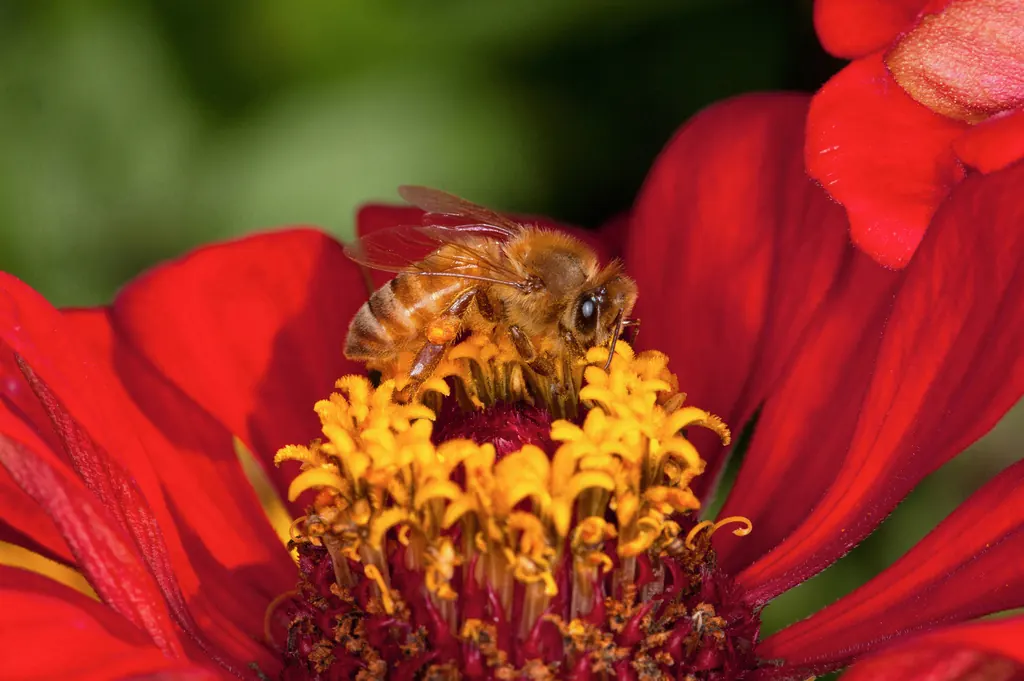
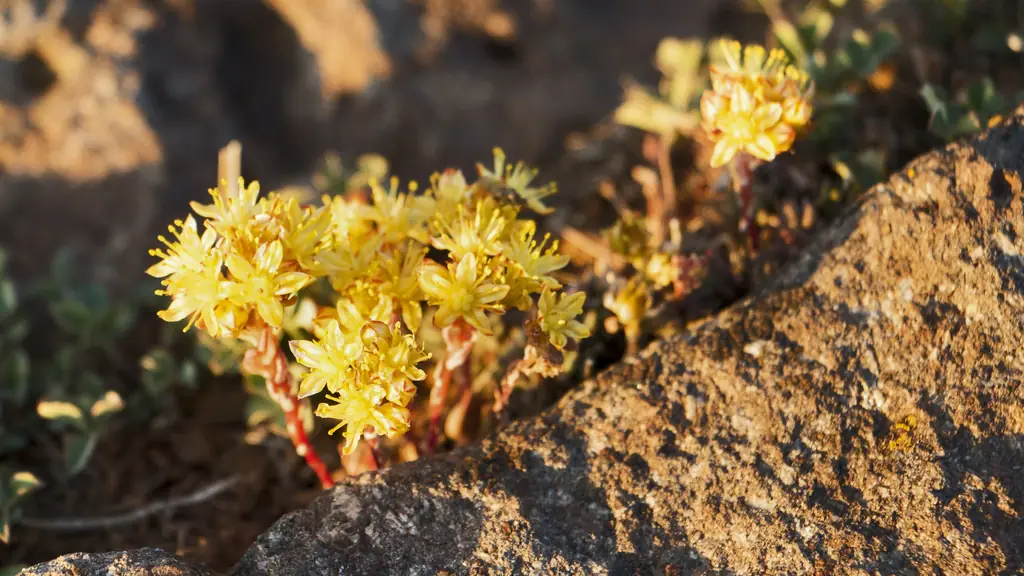
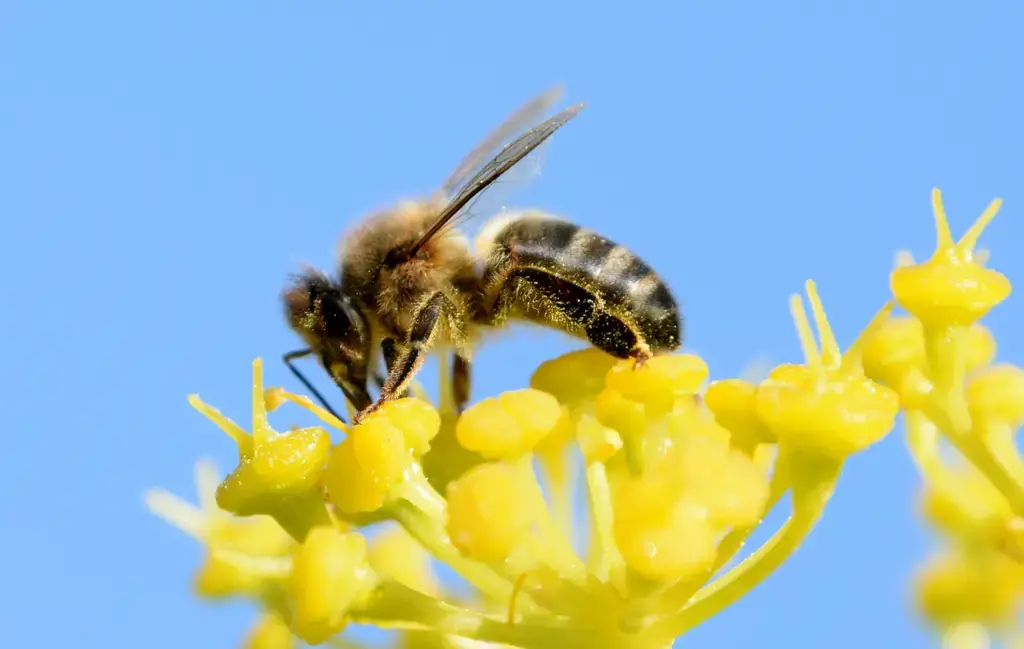
Every photo in this list is public domain or CC0. We list credits as a courtesy to authors and sources.
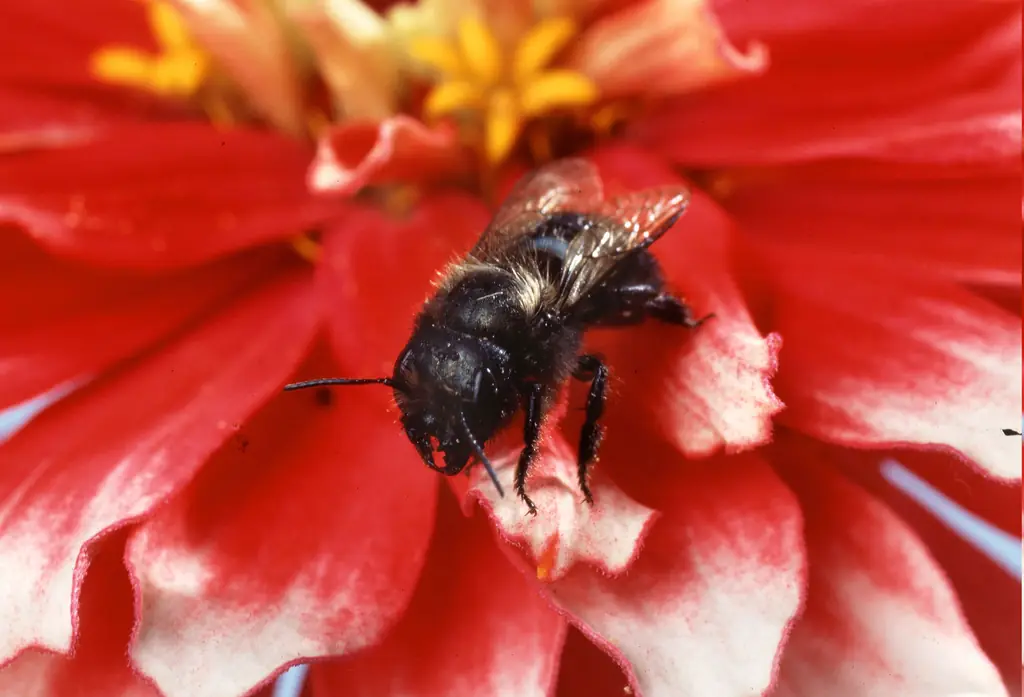
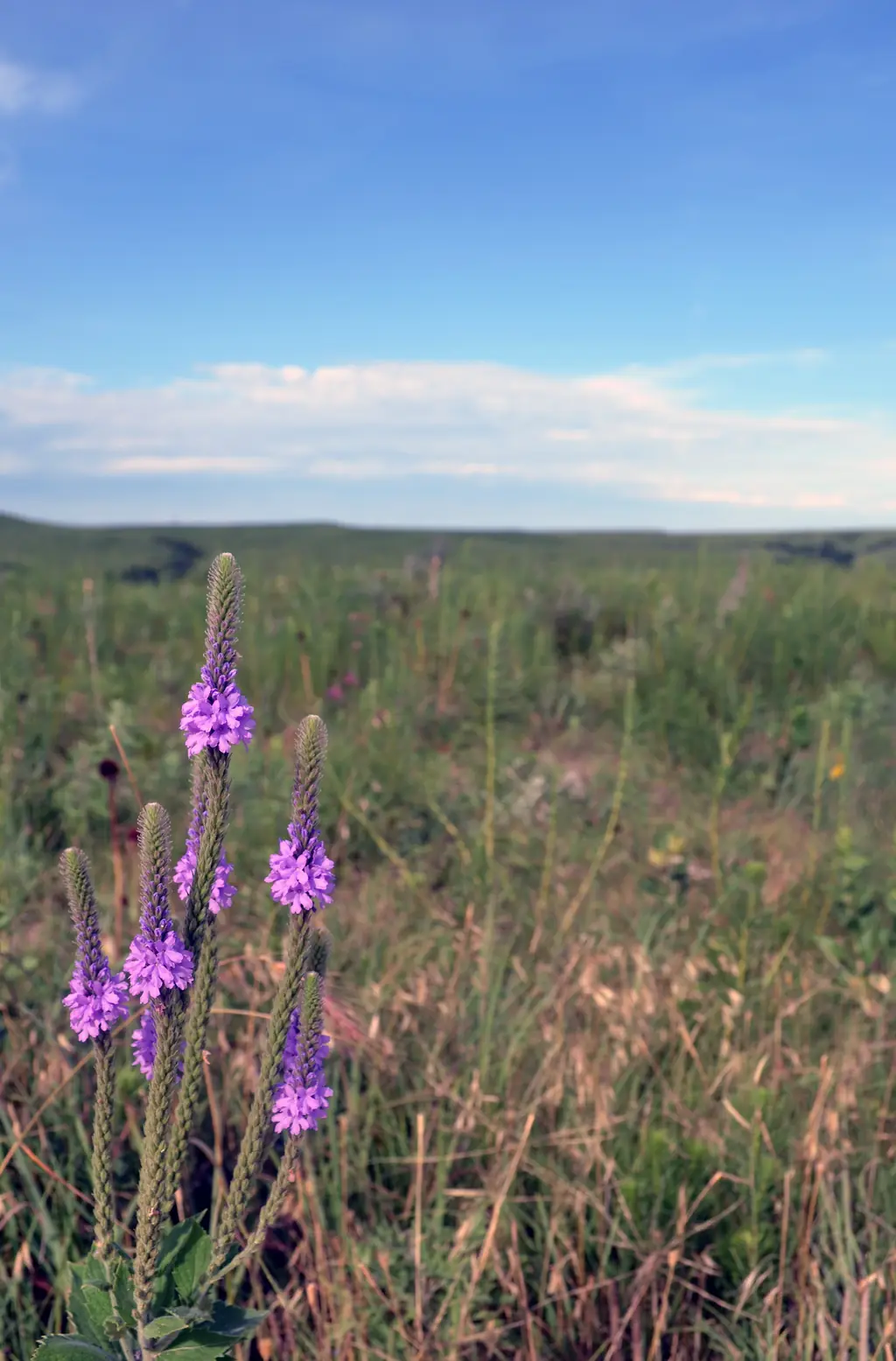
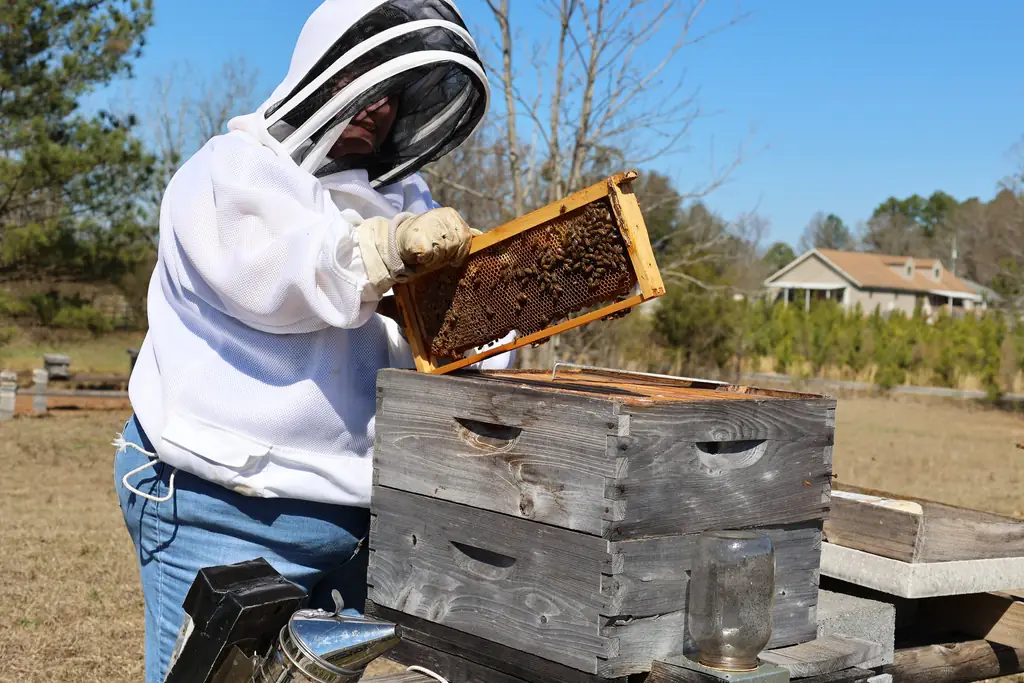
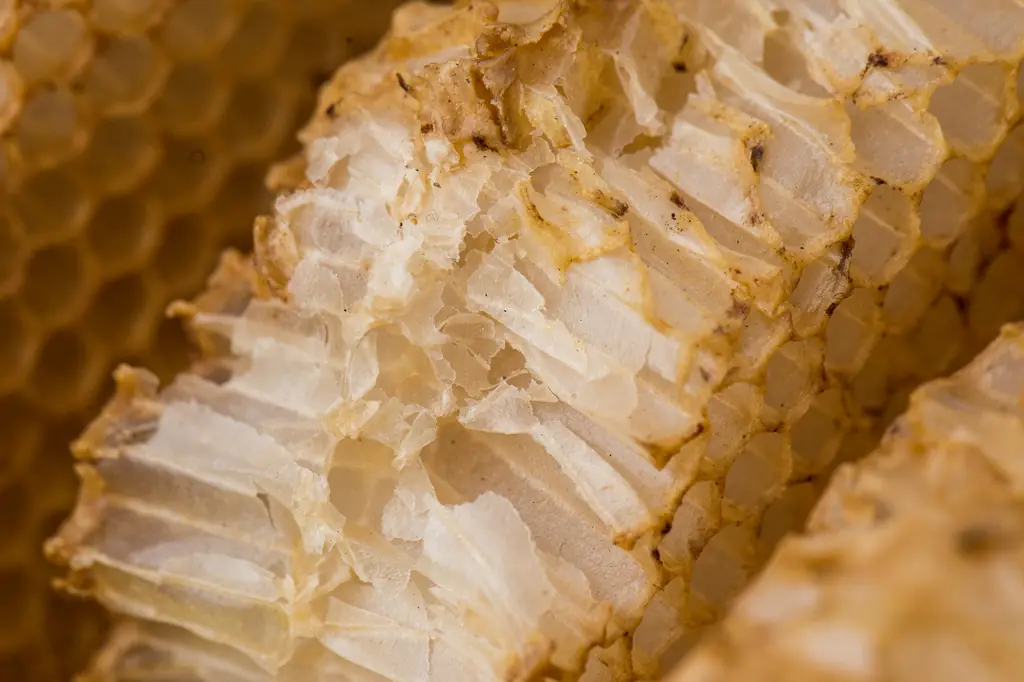


_%2820150619-OSEC-LSC-0227%29.jpg)


Engraving credits
The Bee anatomy tab shows engravings from three printed books. All three books are in the public domain. We cut each figure from its page, remove the printed letters and numbers from it, and keep only the ink. We list the books as a courtesy to the authors and the libraries.
Persio tradotto in verso sciolto e dichiarato (Rome, 1630), page 52, "Descrizzione dell'Ape"
Francesco Stelluti · Public domain
Source on the Internet ArchiveThe anatomy of the honey bee (US Department of Agriculture, Bureau of Entomology, Technical Series 18, 1910)
R. E. Snodgrass · Public domain
Source on the Internet ArchiveMémoires pour servir à l'histoire des insectes, volume 5 (Paris, 1740), plate 22, figure 4
René-Antoine Ferchault de Réaumur (engraved by Cl. Lucas) · Public domain
Source on the Internet Archive
Video credits
The film at the top of the Home page joins 8 short clips from Pexels and Pixabay. We cut, slow, and color each clip. The clips are not in the public domain. We use each clip under the license of its site. The licenses do not ask for a credit. We list the clips as a courtesy to their authors.
Flowers, Butterflies, Sunrays
Joe_hackney · Pixabay Content License
Source on PixabayBee, Insect, Blossom
RoyBuri · Pixabay Content License
Source on PixabayBuzzing Beehive in Garden Close-Up
Robert Schwarz · Pexels License
Source on PexelsA Beekeeper Inspecting a Hive Frame
ROMAN ODINTSOV · Pexels License
Source on PexelsClose-Up of Bees on Wooden Honeycomb Frame
Hakan Kayahan · Pexels License
Source on PexelsClose up of a Beekeeper Holding a Hive Frame
ROMAN ODINTSOV · Pexels License
Source on PexelsClose-up of Bees Entering a Beehive at Dusk
Robert Schwarz · Pexels License
Source on PexelsBumblebee Pollinating Purple Wildflower
Thierry Rossier · Pexels License
Source on Pexels